





20 Years of Design8: Opportunities in the Crisis (2010–2015)
Design8 is celebrating 20 years. In this blog, we discuss the financial crisis, which presented not only challenges but also opportunities.

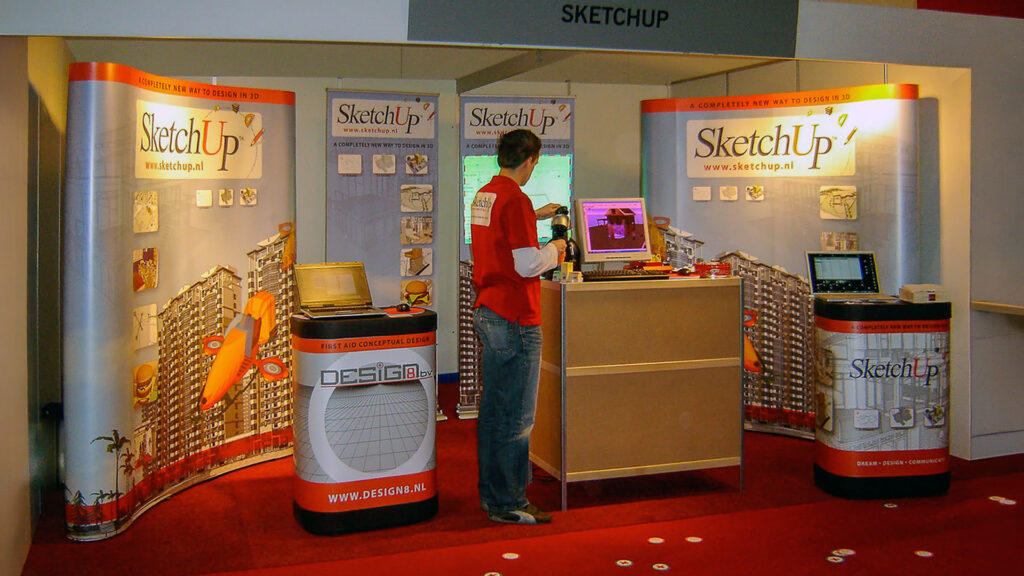
In 2010, the world was still reeling from the financial crisis that had begun in 2008. We noticed that our main target audience – architects and the construction industry – were being hit hard by it. As it turned out, that wasn’t such a bad thing after all! After all, SketchUp was an affordable 3D programme and a welcome refuge for architects who had been working with much more expensive software. Companies went bankrupt, but often made a fresh start with a smaller team. That team needed software, and once again, SketchUp was often the affordable option. So far, so good. But we also did visualisation work…
Partner
A financial crisis arises when confidence breaks down and everyone tightens their purse strings. Being the optimists that we were, we continued to invest in new technologies such as 3D Google Earth and the creation of 3D animations. But unfortunately, it turned out that you can’t ward off a crisis on your own! If you’re the only one spending money, it doesn’t work! So, in the end, we ended up being hit hard by it ourselves.
We decided to stop creating visualisations, and Ben came on board as a partner. It was nice not to have to decide everything on my own, and it still is, actually!
We were now focusing 100 per cent on software and things started looking up again: Google released SketchUp version 8. In our changelogs, you can read that this included Google Maps integration and volume modelling. That went down well, sales continued to grow, and we realised: this is going to work out. That turned out to be true.

Good, better, best
By focusing on software, we’ve had the scope to expand our product range. We’re regularly asked if we can supply a particular software title. Often, the answer is no. But sometimes there are real gems amongst them.
Take V-Ray, for example: an incredibly good rendering tool for programmes such as 3ds Max and SketchUp, capable of producing stunningly beautiful images. It’s actually a digital camera, with an interface that, at the time, made even an average aeroplane seem simple by comparison! Yes, I often compared it to a cockpit.
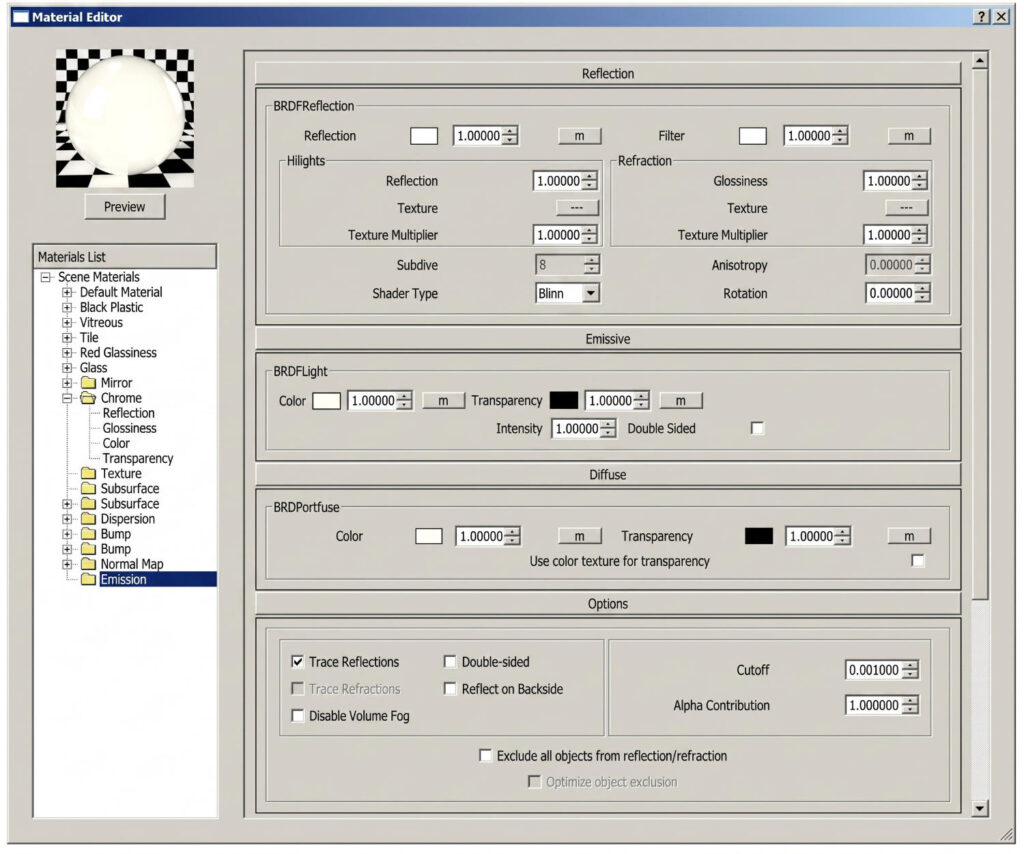
Our philosophy is that we should be able to support and understand everything we sell. And that goes for V-Ray too… So, yes… Shall we go for it?
Absolutely! Because we had Martha on board! Martha applied for a part-time job in 2008 whilst studying Architecture. It was all about SketchUp and 3D modelling for Google Earth. And during that interview, Martha showed a printout of a very strange, snail-shell-like object made of a transparent material. ‘How did you draw that?’ I asked. ‘I didn’t draw it, I programmed it…,’ said Martha. She was hired.
So it came as no surprise that Martha was familiar with V-Ray and would certainly be able to support it. So we decided to include it in our range. Ben went back to the office especially that evening to ring Keith in the USA. This was followed by a long, fruitful collaboration that continues to this day.
V-Ray was a great addition to Artlantis. We recommended Artlantis for quick renderings that just needed to be ‘okay’, and V-Ray when the quality had to be top-notch.
Incidentally, V-Ray is still called V-Ray; it’s now available on a subscription basis and is developed by Chaos in Bulgaria and Germany (more on that in a later blog!). And even though many people nowadays render using AI (yes, even V-Ray itself), V-Ray still gives you the most control. And V-Ray still produces the very best images. Period.

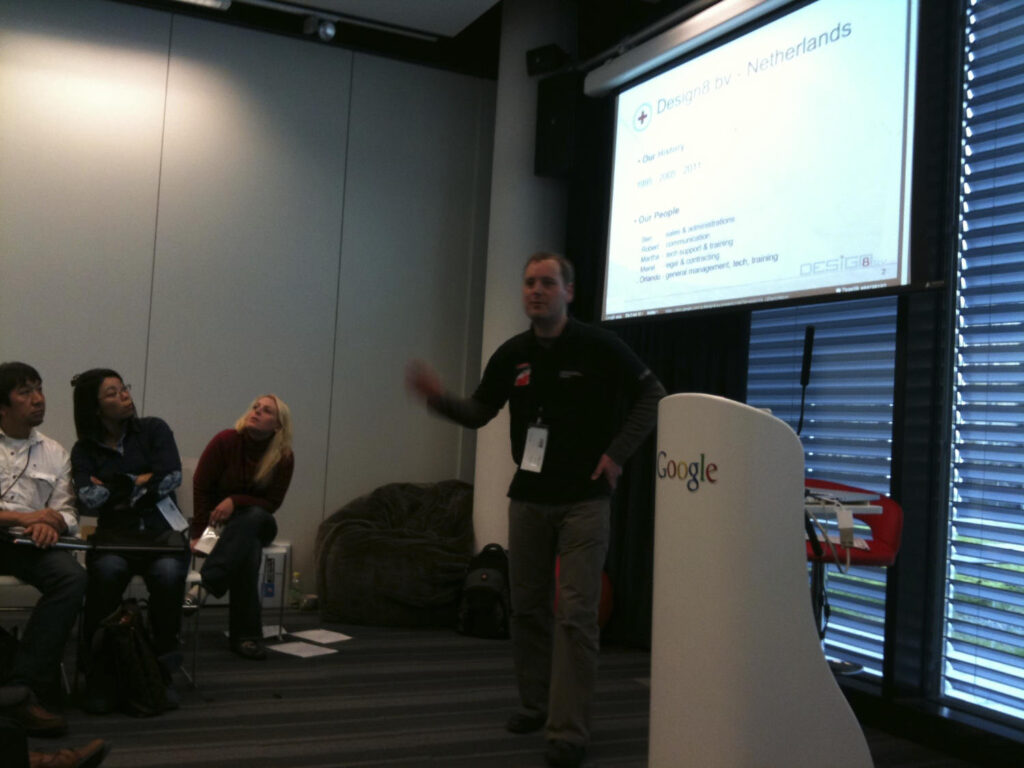
Distributor meeting Google, Zürich
In 2011, we were invited by Google to the very first SketchUp Distributor Meeting, at Google’s headquarters in Zurich. We were in awe: a staff canteen that put La Place to shame, two personal trainers at the door who kindly invited us for a workout. But no thanks, we’re off to the sushi restaurant! Just to be clear, we were still in the Google office.
We travelled – very sustainably – by train and had brought along a reseller who had set up SketchUp to run virtually. A precursor to the Cloud, so to speak… The folks at SketchUp thought that was really exciting! Now, 15 years later, it’s nothing out of the ordinary and you simply design your models in SketchUp straight in your browser!
We gave a presentation on how we marketed SketchUp in the Benelux and had our photo taken with everyone. The director of SU Podium didn’t want to, as he was busy demonstrating what would later become Podium Browser…
2012: Trimble buys SketchUp
I remember a commercial for the navy in which a soldier says: everyone has a moment when their life flashes before their eyes like a film. So you’d better make sure that film is a bit interesting! It’s not entirely accurate, and I don’t know if it’s actually true, because fortunately I haven’t experienced that moment yet. But I do, at any rate, remember a few ‘key frames’ in my life. The phone call from our SketchUp Channel Manager in 2012 was one of them: “Orlando, SketchUp has been bought by Trimble!”
What now… Trimble? I didn’t know the company at all. But once again, a reassuring message: don’t worry, you can stay. And I do like a challenge!
Apparently, Google hadn’t managed to get everyone to draw the world in 3D using SketchUp. So it was time for a fresh start. Google used photogrammetry for 3D Google Earth, and Trimble incorporated SketchUp into its family of architectural software.
In all honesty, I have to say that SketchUp’s development under Google wasn’t exactly running smoothly either. The version number was no longer in sync with the year either. After all, a company that makes billions from advertising isn’t going to get very excited about a few million in profit from SketchUp. If it was even that much. No idea.
Not so with Trimble. Trimble has been putting its all into development right up to the present day, and SketchUp is more alive than ever, with many more exciting developments on the horizon!
The Dongle is back!
And then… a dongle? That’s right: securing software with a piece of hardware. It’s still used today, by the way. We were familiar with it from the 1990s, so when V-Ray was going to be secured with a dongle, it felt as though we were going backwards.
But we were so pleased! Why? V-Ray was protected by a licence code. And if anyone wanted to try V-Ray, we’d give them a trial code. But that code was buried so deep within the system that switching to a paid version, with a new code, was impossible without taking control of the customer’s computer and first deleting all sorts of obscure system files. That meant a lot of support work and a poor customer experience. The dongle was supposed to sort all this out! Plug in the dongle: the licence works. Unplug the dongle: the licence no longer works. Right?
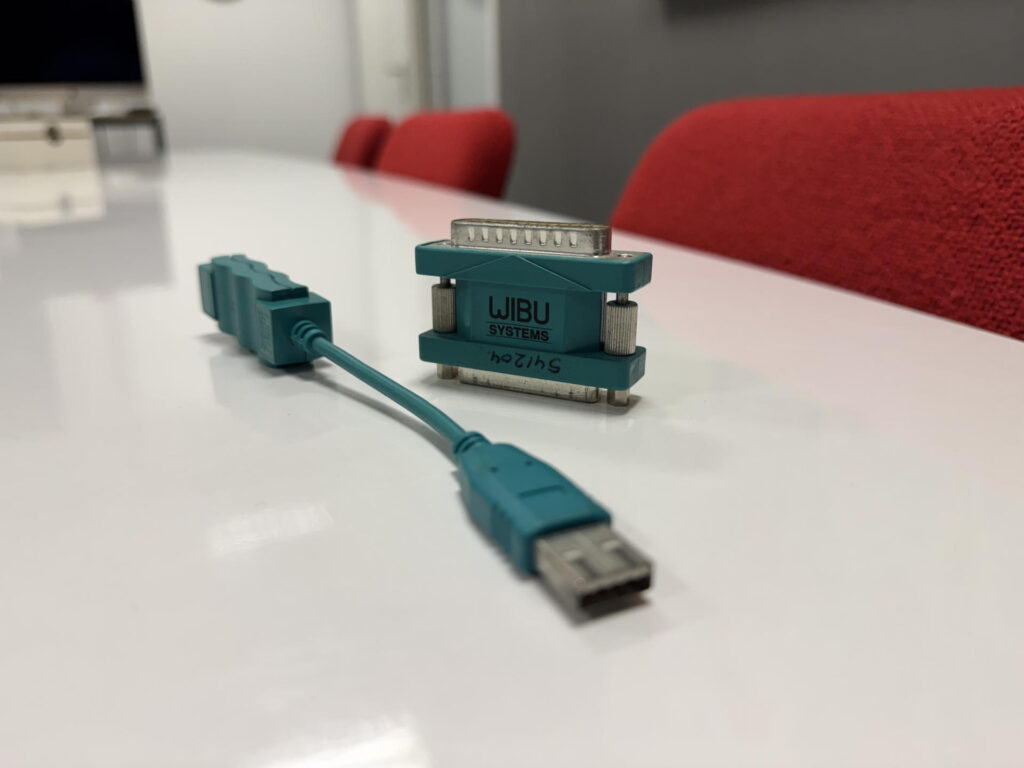
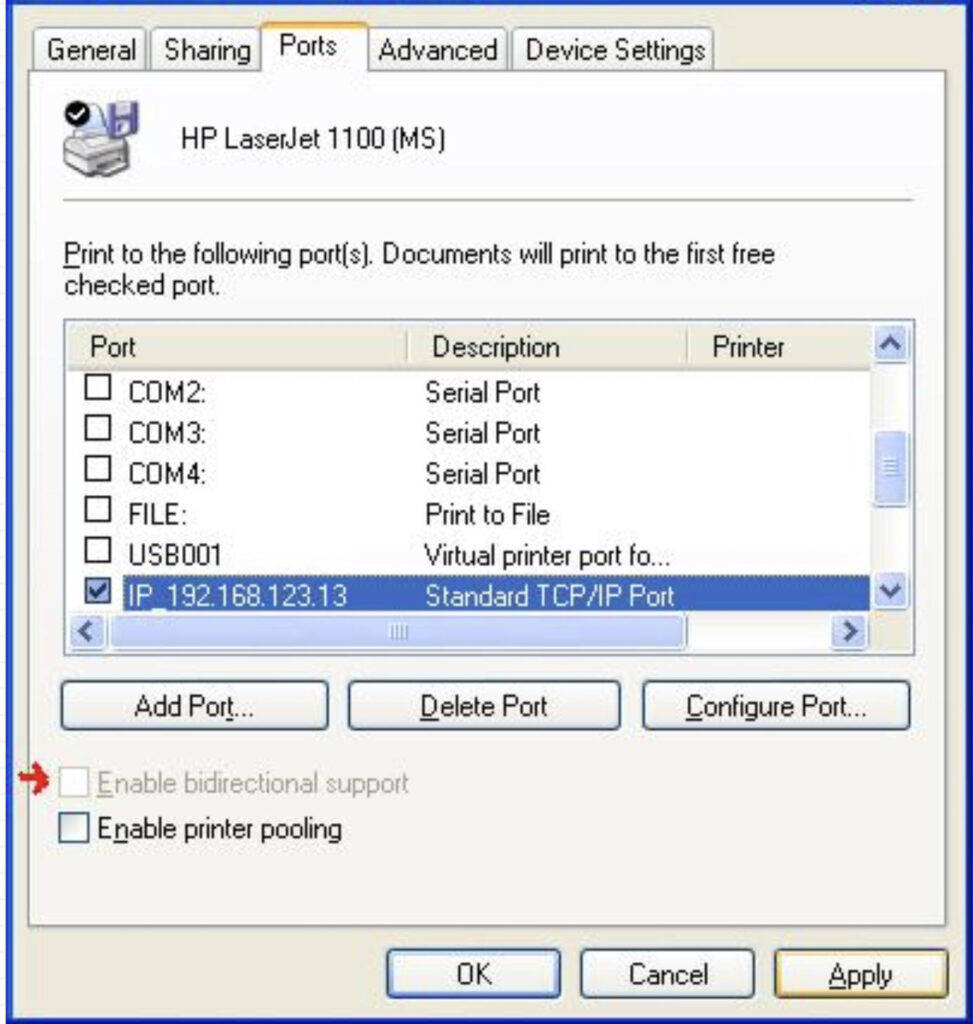
HUnfortunately, it was more a case of ‘it doesn’t work any more’. Because a dongle like that needed a driver. We’d already discovered back in the 1990s just what a support nightmare a dongle could be. In those days, there were even parallel dongles. You’d plug them – yes, you read that right – into the parallel port of a Windows computer. But there was often already a printer plugged into that port. So, out came the printer, in went the dongle, the printer was plugged into the dongle and then… the printer stopped working. Because, of course, you had to go into the Windows Control Panel and set the LPT1 port to ‘Bidirectional’!
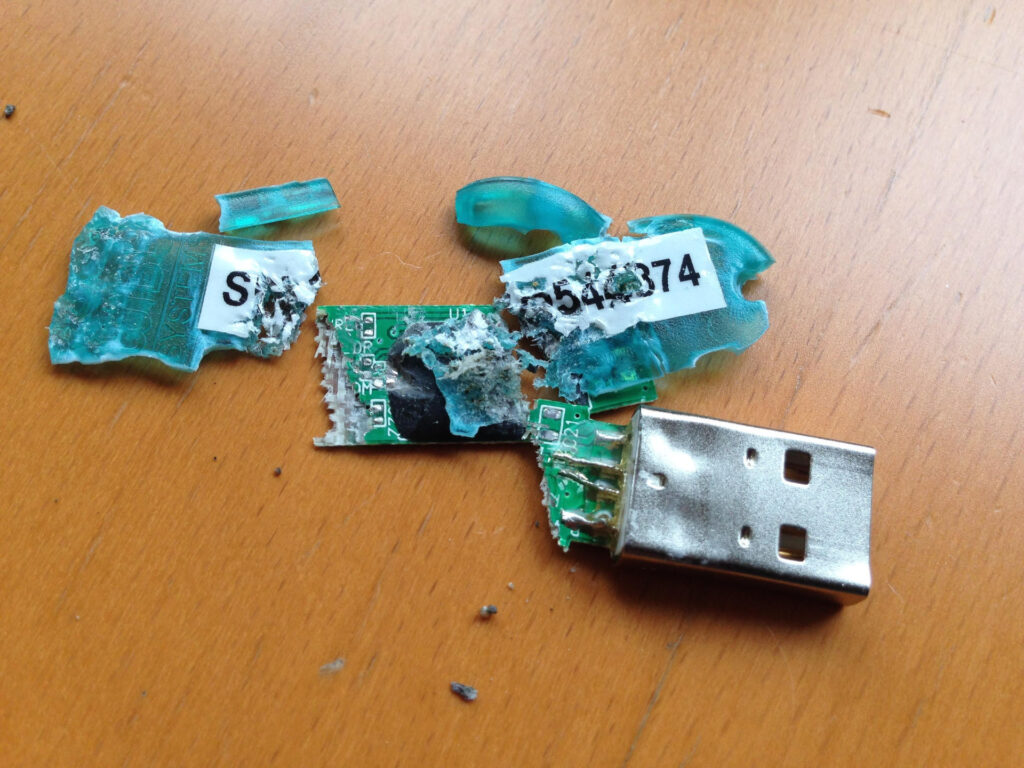
Anyway, in the end even the supplier had had enough, and a large-scale dongle recall followed shortly afterwards. It worked as follows: the customer sent the dongle back to us. We inserted the hammer and sent a photo to the supplier. The customer could then activate the software using an account….
3D Printers
2012 was also the year in which 3D printing really took off. At the time, I had a radio-controlled helicopter – quite popular back then – and men are still boys at heart, aren’t they… But the drive gear was worn out and the thing wouldn’t fly any more. I thought: if I can print a new gear and get the helicopter flying again, then we’re onto something!
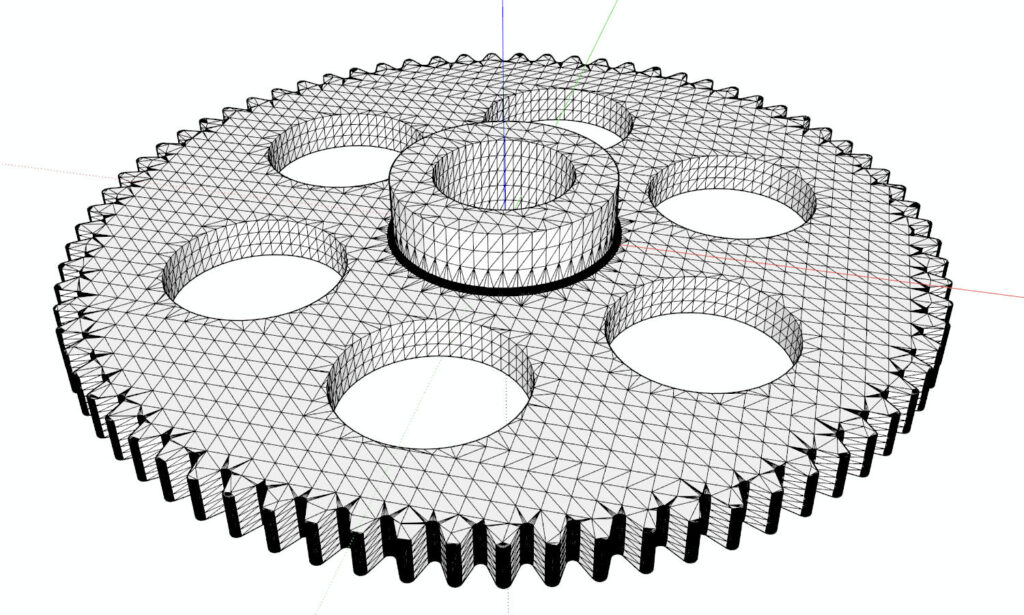
The trial was a success, so we decided to start selling 3D printers. We even included it in our logo.
At EuroMold in Düsseldorf, we found a good overview of suppliers. We arranged a meeting with MakerBot, but ended up leaving with a Fabbster DIY kit and a business card from 3D Systems in Amsterdam.
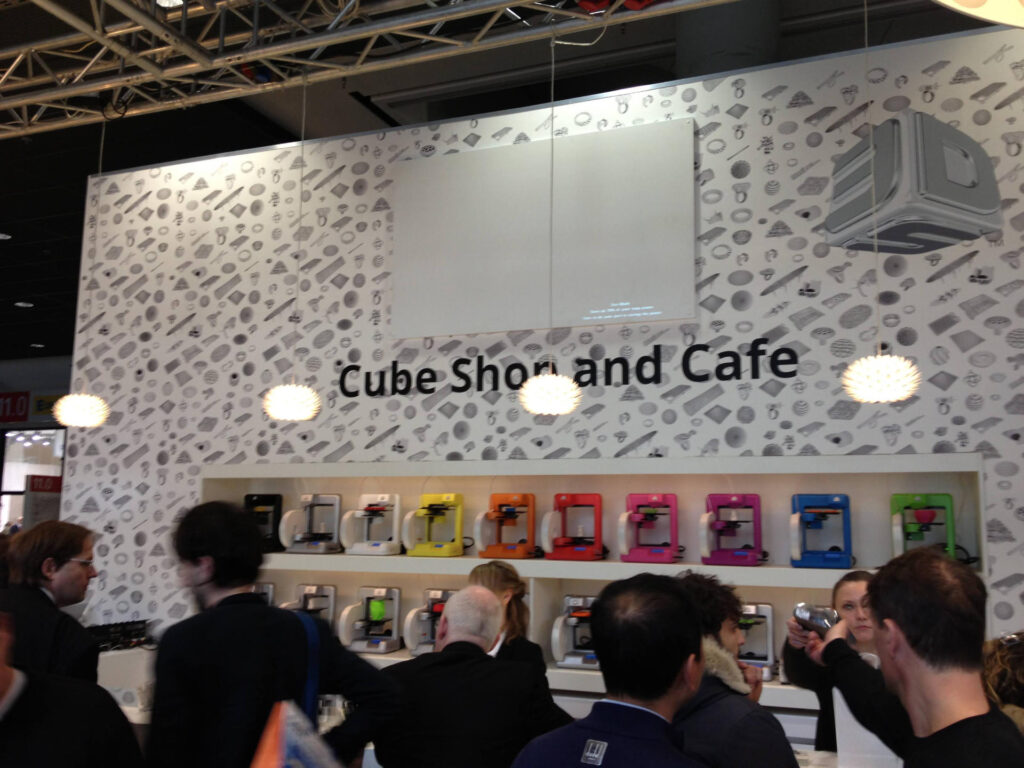
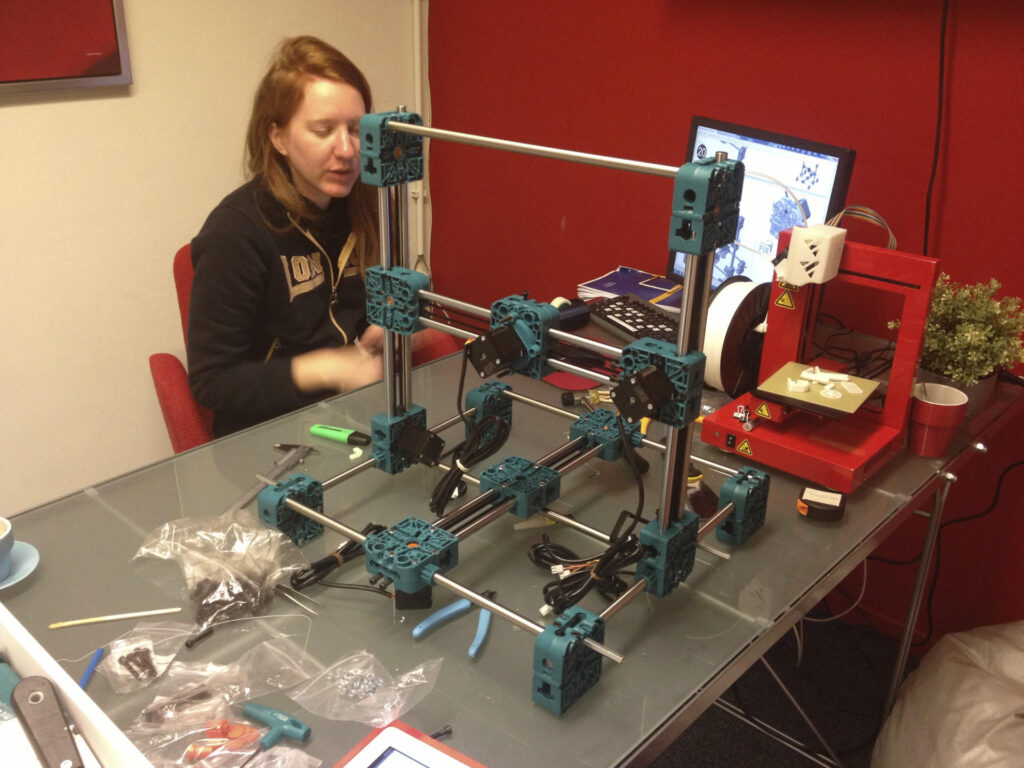
In the end, we opted for 3D Systems. Their Cube 3D printer was even on display in the window at the Bijenkorf’s ‘Three Crazy Days’ sale. But the size of the prints was a problem for our target audience: too small. 3D Systems solved this with the CubeX, a brand-new large-format printer with up to three print heads, no less! It came top in every review we could find even before it was released.
We listed the CubeX in our online shop and had already sold out before our first batch arrived. Orders came in from the Netherlands, Belgium and even Denmark. The CubeX was groundbreaking because, thanks to its multiple print heads, it could print multiple colours and materials simultaneously and intermixed.
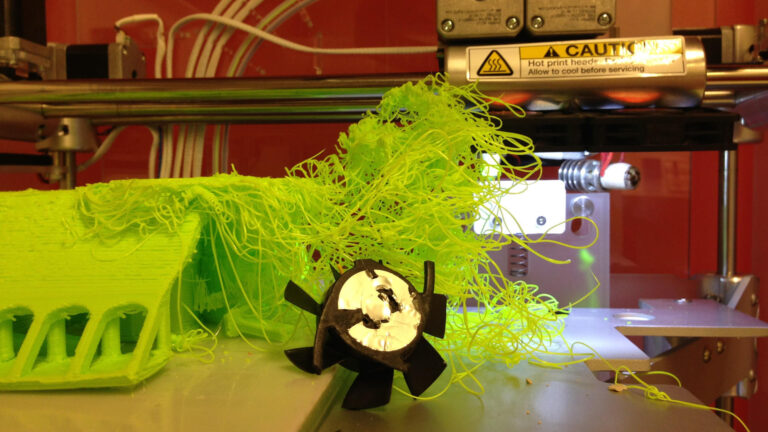
As a loyal sponsor of the Appelpop festival, we 3D-printed the entire festival site – on a Google Earth map, of course. It’s handy for rearranging the layout during meetings! But one morning, when I went to check whether the print of the main stage had come out OK, I was met with a scene of devastation: the print head had snapped off and drilled its way through a fan. The remains of the print head were spinning endlessly in the air, and half the tent had been reduced to green spaghetti.
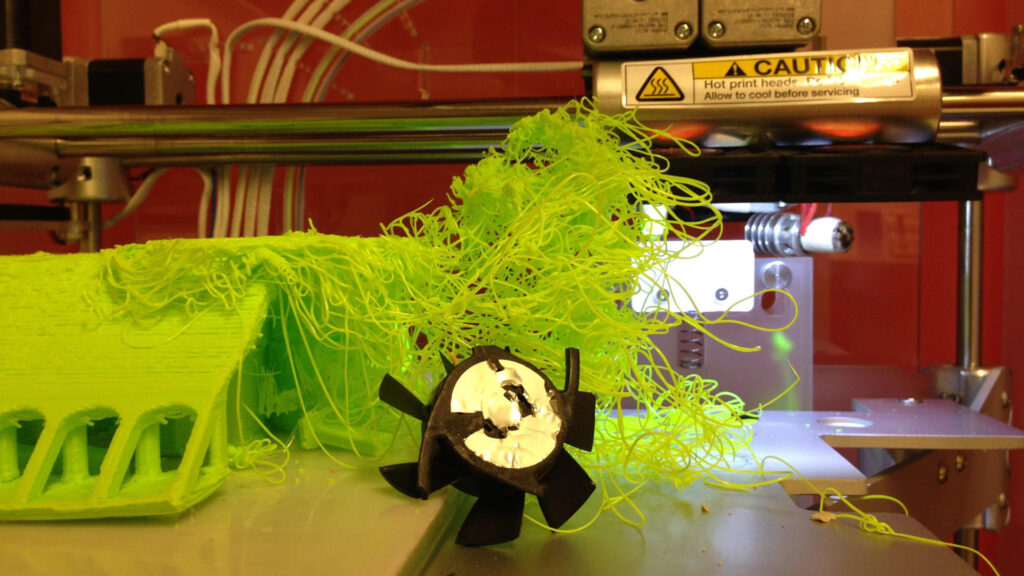
That was the other side of 3D printing. In practice, things regularly went wrong and you had to know exactly what you were doing. We were saved on that model by someone who had an Ultimaker. Ultimaker was based in the next village over, in Geldermalsen. They made 3D printers for makers, out of plywood. They looked a bit makeshift, not very professional. But they did work! And when they launched an upgraded model made from Dibond, we started selling it. The funny thing is that we ended up being the distributor for Belgium!
To cut a long story short: the hype died down, and 3D printing remained confined to a niche market. Boeing lined up 60 printers, the medical industry was printing implants, but our customers preferred to send the odd print job to Materialise every now and then. Sales stalled, and we called it a day. And the Ultimaker? It’s still standing in our hallway and is still used regularly!
KeyShot
Speaking of gems, KeyShot was another one. KeyShot was a rendering tool for product designers and suited us down to the ground. We became a reseller, though it did take a bit of persuasion. They thought we were just a supermarket. Let’s take that as a compliment!
Even as a ‘supermarket’, we’d by then built up a customer base all over the world. Many resellers saw us as a reliable supplier, and we were increasingly taking on the role of distributor. But then again, a distributor doesn’t always fit into a supplier’s go-to-market strategy. The fact that, as a reseller, we were also supplying other resellers… was becoming increasingly difficult for them to accept. We now know that there are often resellers behind them too. You may like it or not, but if that’s what the market wants, that’s how it goes. You can’t educate the market – that much was clear to me.
In the end, KeyShot revoked our licence. A shame.
2014 – MODO
An email:
“Hello, I am the Design Channel Manager for The Foundry. I am very interested in discussing the possibility of Design8 distributing our MODO software.”
Interesting… The breakthrough in 3D printing seemed just around the corner, and I reasoned as follows: if you produce a design using 3D printing, you have almost infinite freedom of form. You’re no longer restricted by the radius of your milling head, a minimum sheet thickness for deep-drawing, or a uniform wall thickness with a draft angle for injection moulding. So, well, as a designer, you’d want that freedom in the software too, wouldn’t you? 3D printing calls for different design software: MODO, then!
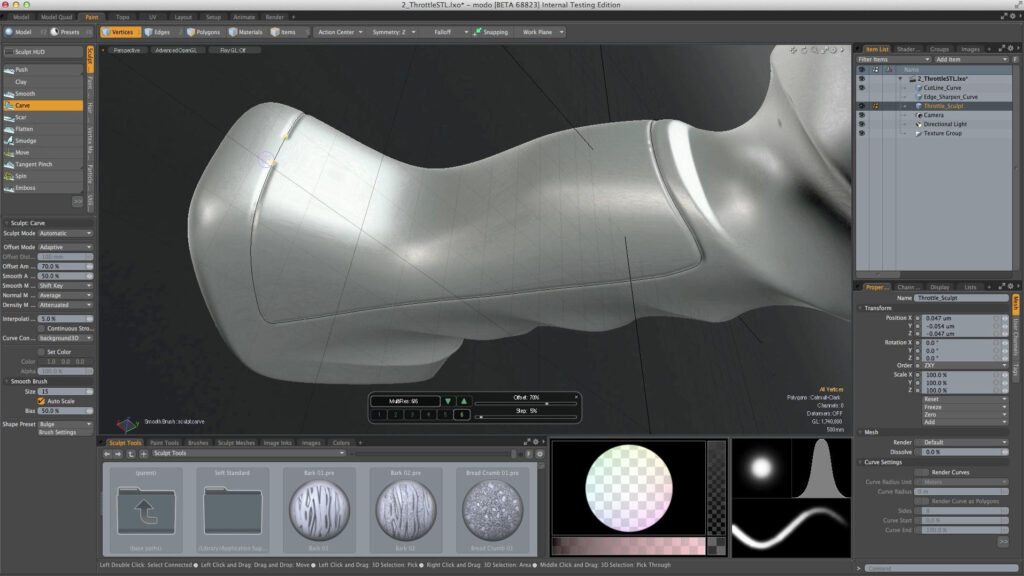
I’ll tell you something strange. I went on a training course in London to learn Modo. After the first day of training, I fell asleep in my hotel room. And… when I woke up the next morning, I realised: I’d never slept so well! How did that happen?
Here’s what I think: as a designer, you always have several problems to solve. But these days there’s one extra: how do I draw this in 3D? Traditional NURBS CAD software contains certain tools and requires a specific workflow. You draw curves, combine them into surfaces, and then stitch those surfaces together to form a closed shape. But mathematically speaking, a NURBS surface has four sides, like a tea towel. Creating a smooth, organic shape with it requires all sorts of tricks that can and will trip the software up. And ‘sculpting’ is completely out of the question. You’re actually always modelling around the problems. So it’s actually quite stressful!
But MODO worked differently, using Subdivision Modelling: you draw little squares, and the software smooths it out. Brilliant! But: no control. Yet also: no problems! Suddenly I realised: I can draw anything! I think that’s what gave me that sense of calm.
Somewhere deep down, I did know, though. A reseller once demonstrated Cinema4D to us – another SubD modeller. The moment they transformed a small block into a sort of egg, Lukas and I looked away as if we were watching a cow being slaughtered live! A designer is a control freak who leaves nothing to chance. They decide for themselves where the surfaces run and where the creases are. But then again, you also have to learn to let go, to surrender, and that takes time. A great deal of time. Unfortunately, MODO wasn’t given that time, and it didn’t make the cut with us.
Workshops
Incidentally, we’d been selling a great middle ground between NURBS and SubD for quite some time: solidThinking Evolve. That had actually fallen into our laps thanks to a CAD reseller who didn’t really have designers as clients, but rather engineers. We did have those designers, so we became a sponsor of the Dutch Designers’ Association. As part of the sponsorship, we ran workshops with designers.
Those workshops were quite successful: people found them enjoyable and interesting, and solidThinking turned out to be a lot simpler and cheaper than their current software. Or working method, for that matter, as not everyone was even drawing in 3D on a computer yet (!). But then again… switching? Forget it!
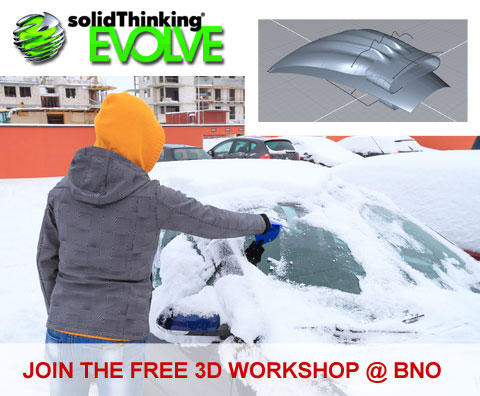
What about students? I thought: they’re still open to innovation and aren’t yet tied to any particular software or workflow. So I also ran workshops at the design schools in Eindhoven, Delft and Enschede. Everyone was absolutely raving about it! Until the first deadline loomed: it turns out that when that happens, people fall back on what they already know and don’t look back.
It’s actually quite sad. People are enthusiastic and convinced, yet they still don’t dare to make the switch. Time and again, I come to the same conclusion: if people achieve a satisfactory result with the knowledge, tools and budget they currently have, they’ll never invest in a better result. In other words: if it isn’t necessary, it won’t happen. I have to say, that’s quite a pill to swallow for an innovation manager…
Twinmotion: Realtime becomes… Realtime
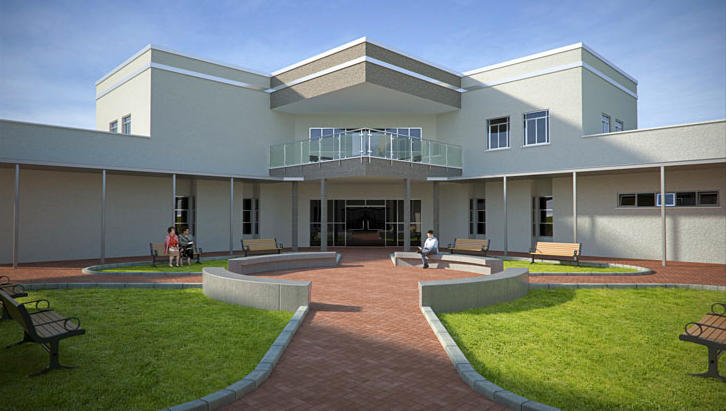
Back to rendering. In 2012, we created this rendering using the Shaderlight SketchUp rendering extension:
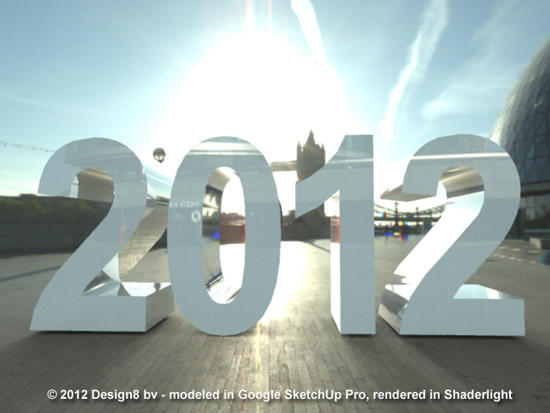
Shaderlight had an incredibly beautiful real-time preview, complete with 360º HDRI: High Dynamic Range Image. It used an HDRI image to calculate the lighting, shadows and reflections and display them in real time. Shaderlight, incidentally, was developed by an investment club, something that was evident from the fact that they flew Business Class to the SketchUp Basecamps. I don’t think flying Business Class is something you’d do out of your own pocket as an entrepreneur. But then again, I’ve never done it myself, so who knows, I might be wrong. Perhaps it’s a coincidence, but Shaderlight no longer exists.
Anyway: real-time, then! Nothing new, as Artlantis, V-Ray and KeyShot already had real-time previews. Back then, real-time ray tracing did mean you still had to wait until the image had fully rendered. But as hardware got faster, real-time rendering also got faster and faster.
And imagine you’re playing a game. You’re racing through a city, for example. When you round a bend, you don’t want to have to wait for the computer to render the street. Because by then you’ll have crashed into a tree ten times already! So real-time in a game is truly real-time and requires a different technique to ray tracing, on which Artlantis, V-Ray and KeyShot were based. That’s why games looked so blocky in the early years (the ‘90s). After all, the computers simply couldn’t go any faster. But now… in 2015, at least… the hardware is so much faster that real-time rendering has got better and better.
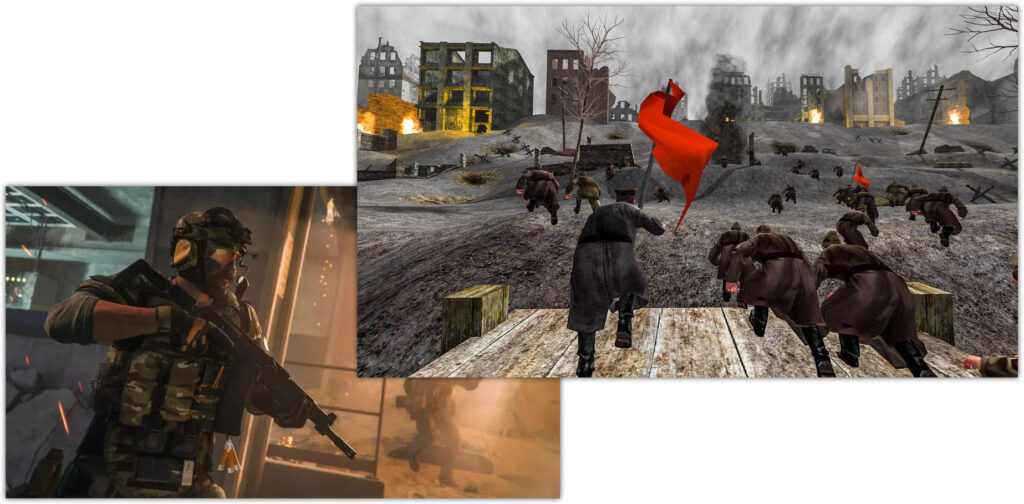
Abvent, the maker of Artlantis, capitalised on the dramatic increase in GPU speed and launched Twinmotion. Twinmotion conjured up images on your screen as quickly as in a game. And the quality was many times better than the render from my first blog. Back in 1999, when my Pentium 200MMX was running the render all night long!
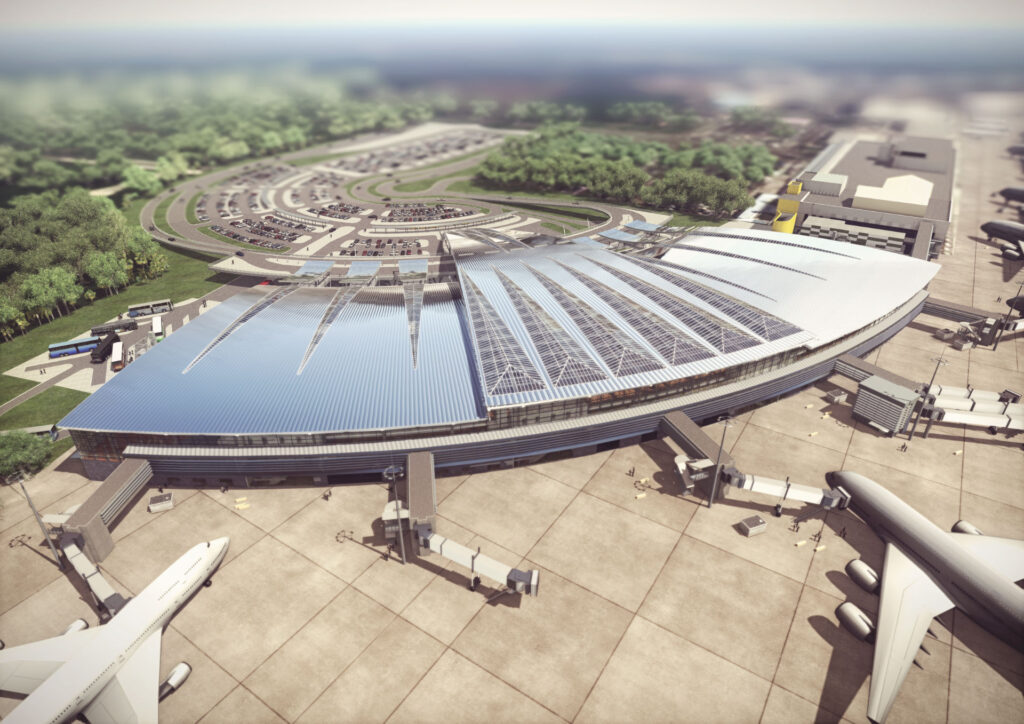
It’s quite a fun fact that Abvent eventually ended up selling Twinmotion to… Epic Games! We’re still selling Twinmotion, although Epic has made it free for smaller businesses. Oh well, dealing with the whims of suppliers… that’s become a regular part of our lives.
Whenever I have a meeting with a new client, I sometimes introduce myself as the captain of the ship Design8. And that’s exactly how it feels. We’re navigating round the rocks, through shallow waters, braving high waves, on our way to the open sea. Will we ever get there? Ah well, the journey is the destination, so we might as well enjoy it. You can read about our route from 2015 to 2020 in our next blog post.