





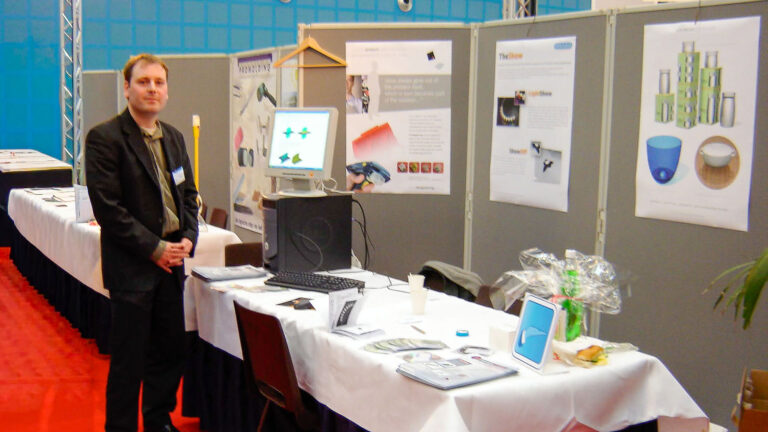
And just like that, your company turns twenty. Where did the time go? Looking back, what strikes me most is that those twenty years have run in lockstep with twenty years of change, in my own life, in the lives of our staff, our customers, our suppliers. Children have been born and grown up. Marriages have been formed and dissolved. New products have emerged, and long-standing customers have retired. The climate keeps shifting, and yet through all of it, constant as ever, a steady presence: Design8 has always been there!
Does that mean Design8 hasn’t changed? Far from it. We’ve grown from one employee to twenty, from two products to twenty-five, and revenue has gone up every single year without exception. We’re still a small company. But honestly? I couldn’t be prouder.
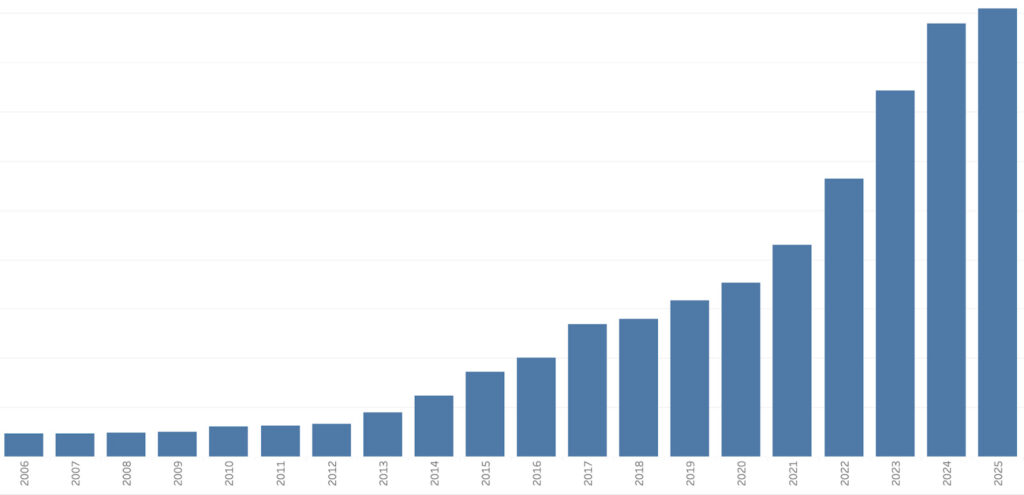
In some ways, though, we have stayed the same. Let me put it differently: we’ve stubbornly kept doing what works and never lost sight of what we stand for. We still don’t have a chatbot on our website; you’re welcome to just pick up the phone. And when you call, there’s no automated menu, no press-one-for-this, press-two-for-that. A real person answers. Someone who can actually help you, or pass you on if needed. We still call back when we say we will. And if you drop a line to our info@ address, you’ll get a quick, accurate reply; every time. In short, we do what we do as well as we can, and we do it on a human scale. That’s not something AI is going to change.
Studying and Hustling in the Nineties
This is the first in a series of five blogs, each covering five years of Design8. Five times five is twenty-five, you might point out, and you’d be right. The foundation for Design8 was laid back in the nineties, which is why this first instalment is about the run-up to 2005.
I was studying Industrial Design at TU Delft in the nineties when I had to draw a chip cutter on the computer in AutoCAD LT. In 2D, for what it’s worth. I’d just bought myself a 486-DXII running at a mighty 66 MHz (MHz, not GHz!) The standard 4 MB of RAM (MB, not GB!) felt a bit stingy, given that I also wanted to run WordPerfect 6.0 for Windows, which genuinely needed 8 MB to function. So I upgraded: an extra 4 MB for ƒ350,- (roughly €160). Either way, I was completely taken with computers, and especially with drawing on them. I picked up AutoCAD LT for ƒ25,-, spread across what I believe were four floppy disks.
As a side note: my first PC didn’t run DOS or Windows, but OS/2 Warp. Wonderful stuff, according to the sales team at Vobis. Not so wonderful in practice, as it turned out — something they were forced to concede, however reluctantly, when they switched it to Windows 3.1 at my request. It was my first taste of how hard it is to break into an existing market with new software. Particularly when the product simply isn’t up to scratch. Two similar examples will surface later.
My foray into 3D came through a programme called SolidModel, where the task was to assemble a tangram. I hadn’t the faintest idea what I was doing.
My First Steps in the Software World
A friend of mine knew a friend, who knew a friend, who happened to be selling 3D software to designers and was looking for a hand. So, alongside my studies, which were moving at a glacial pace, I became a demo jock and support rep at a software reseller.
3D CAD was evolving, and at TU Delft, I completed an assignment in Pro/Engineer, modelling a pepper grinder. Again, I had absolutely no idea what I was doing. Which, in hindsight, is actually rather funny: because the confusion is so vivid in my memory, I can put myself squarely in the shoes of anyone taking their first steps in 3D today. I was used to drawing precisely and methodically, but in Pro/Engineer, a rough sketch was all you needed. Dimensions came later. I found that deeply counterintuitive.
WordPerfect, Word, and a Lesson in Market Leadership
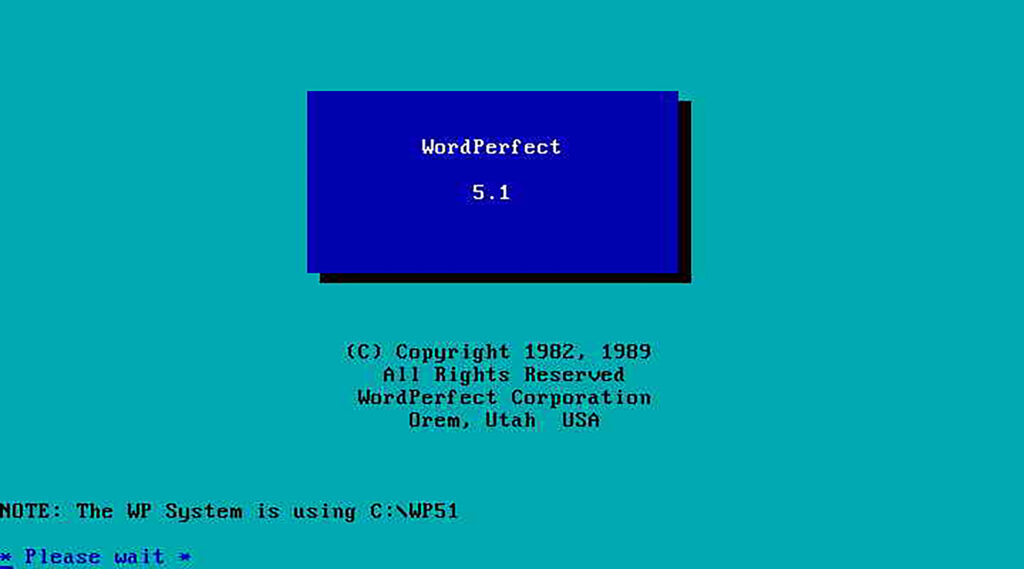
So there I was, writing my papers in WordPerfect 6.0 for Windows, which was, after all, the whole reason I’d shelled out for that extra RAM. The market standard at the time was still WordPerfect 5.1, known simply as WP (famous for its so-called “underwater screen“). WP had just made the jump from version 5.1 under DOS to 6.0 under Windows.
And it did not go well. Version 6 was riddled with bugs and crashed constantly. I lost work. A lot of it. I was done. A housemate of mine had some old floppy disks with Microsoft Word 3.0 on them. Interesting, I thought, Microsoft made Windows too, so presumably the software would play nicely together. It did, and I never touched WordPerfect again.
The lesson I took from that: you can be the market leader, but if your product isn’t solid, someone will knock you off the throne. WordPerfect never really recovered, and the world moved on to Microsoft Word en masse. Though remarkably, WP still exists.
A Work Placement and a World Stuck in Its Ways
I did a placement at a design agency. The designers worked by hand, but technical drawings were produced in (you guessed it) AutoCAD. Which was far clunkier and far more expensive than Vellum, the software I was selling at the time. The engineers then redrew everything in Pro/Engineer. There was one designer quietly experimenting with a new programme called SolidWorks. That designer and I were something like aliens, using different tools while everyone else clung loyally to the software they’d always known. This pattern would follow me for the rest of my career, right up to today. So persistently, in fact, that I eventually decided to bite the bullet and add a market-leading product to our range. Not really my instinct. I’ve never been one to do something simply because everyone else does. How that story ends, you’ll read in the blog covering the last five years.
Meanwhile, Rhino had appeared as an elective at TU Delft. I signed up and showed up to the classroom to find a teacher sitting at a desk at the front. The room was lined with workstations running Rhino v1. He handed me a stack of A4 sheets, gestured for me to sit down, and went back to whatever he was doing. The stack turned out to be a self-guided tutorial. I modelled a rubber duck. Brilliant! But there was no point in asking questions. The teacher, it emerged, knew absolutely nothing about Rhino himself. Well, I thought, there’s room for improvement there.
Rendering in the Nineties: A Full Night for One Image
Vellum was coming along nicely, and I was happily rendering away in the Solids version. For a university project designing a new product for a pushchair manufacturer, I built the 3D model and produced the renders. Or rather… pixels. My Diamond Viper graphics card with its 512 KB of memory was genuinely struggling. A single 800×600 image kept it occupied for the entire night. I still remember the anticipation of those mornings, jumping out of bed the moment the alarm went off, only, more often than not, to find the computer had crashed somewhere around the halfway mark. Rendering in SolidWorks was marginally faster, though I distinctly remember watching those images crawl into existence one pixel row at a time. Compare that to what you can get in real time on any modern screen today, and the difference is simply staggering.
When the distributor of our software eventually called it quits, my boss stepped in as distributor, which meant I suddenly had a side job there, too. When he eventually quit as well, I was the only one left. I decided to run things on my own, finishing my degree at the same time.


Discovering SketchUp
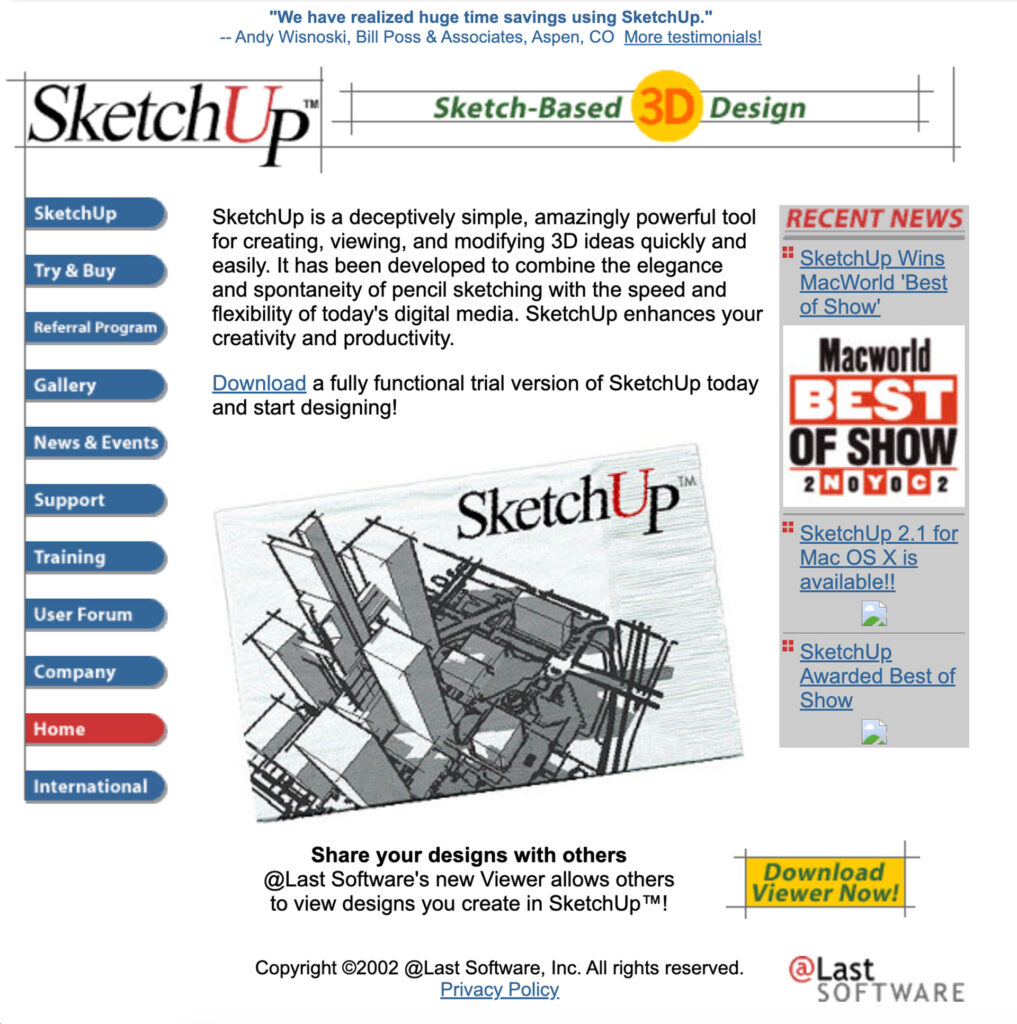
Around this time, a reseller tipped me off about an interesting new programme: SketchUp. I still remember exactly where I was when I heard about it. You know that feeling, when something just lands differently?
I pulled up the website, sketchup.com, and found two videos: one a few minutes long, the other twenty. The first one had me buzzing, if only because of the quintessentially American, high-energy voiceover. I went ahead and watched the second. Twenty minutes later, I was completely sold. I got in touch straight away. It clicked, and I officially came on board as a distributor.
Selling Software in the Pre-Download Era
And so the promotion began. Worth bearing in mind: downloading software was far from standard practice back then. In Belgium, very few businesses had a reliable internet connection. In the Netherlands, if you were lucky, you had ISDN, which let you download at the breathtaking speed of 64 Kbps, while simultaneously managing to stay on the phone with customers. The upload speed was even slower. I remember once having to retrieve a database backup from the KPN cloud, KPN Backup Online, and it literally took days.

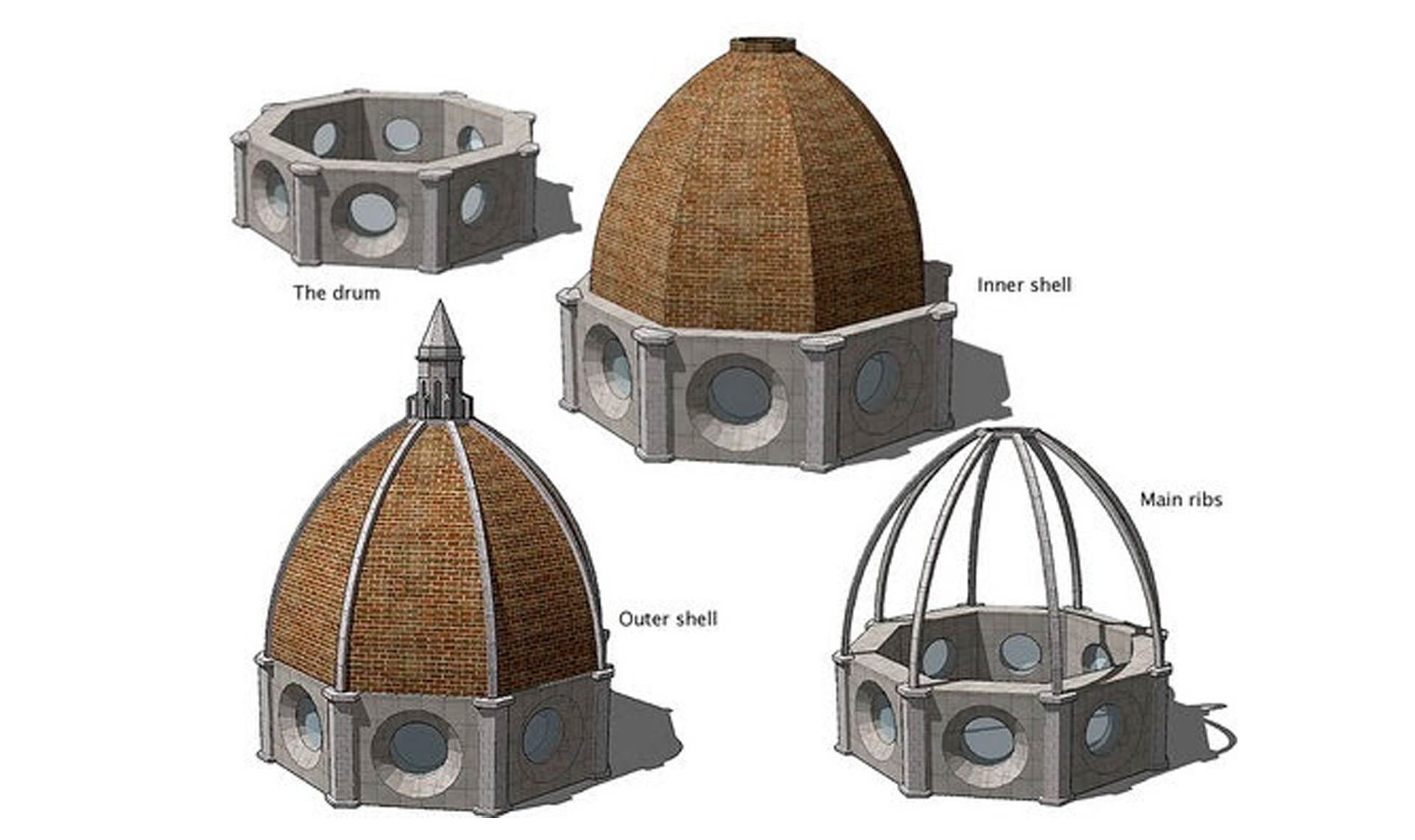
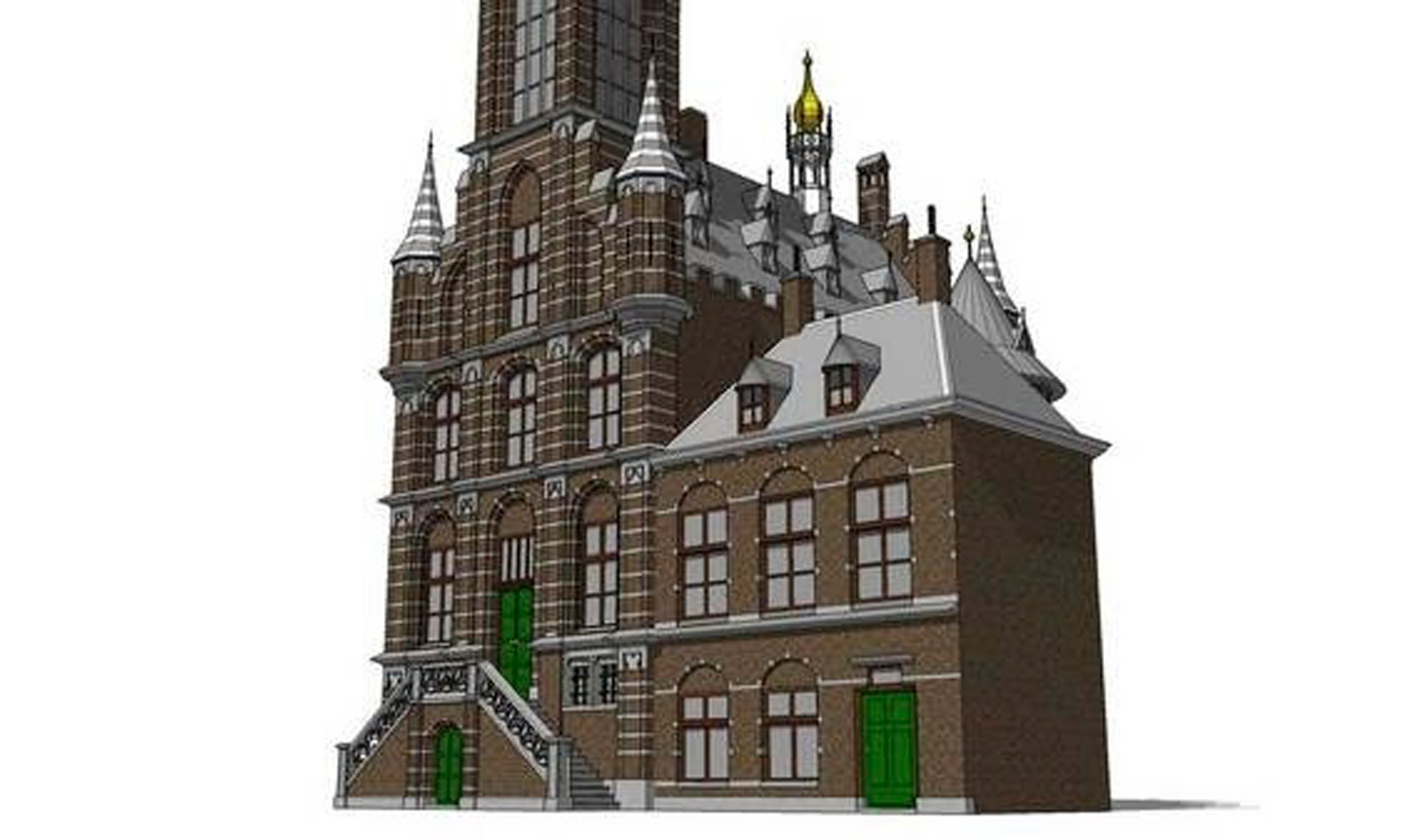

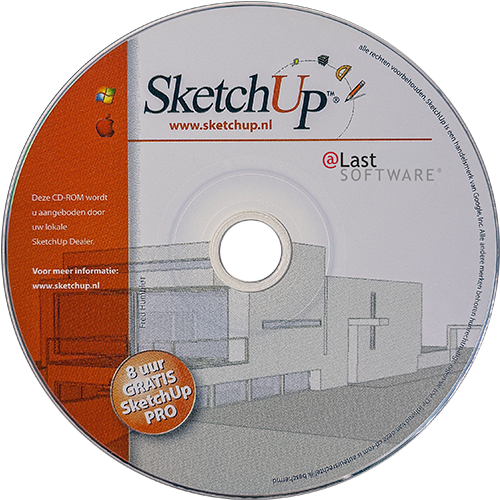
So it’s no surprise that demo requests were answered with an envelope, a letter and a CD, a stamp on it, and into the postbox it went. It’s genuinely funny to think that not even twenty-five years later, we don’t own a single device capable of reading a CD.
The classic SketchUp demo CD-ROM
Why SketchUp Was in a League of Its Own
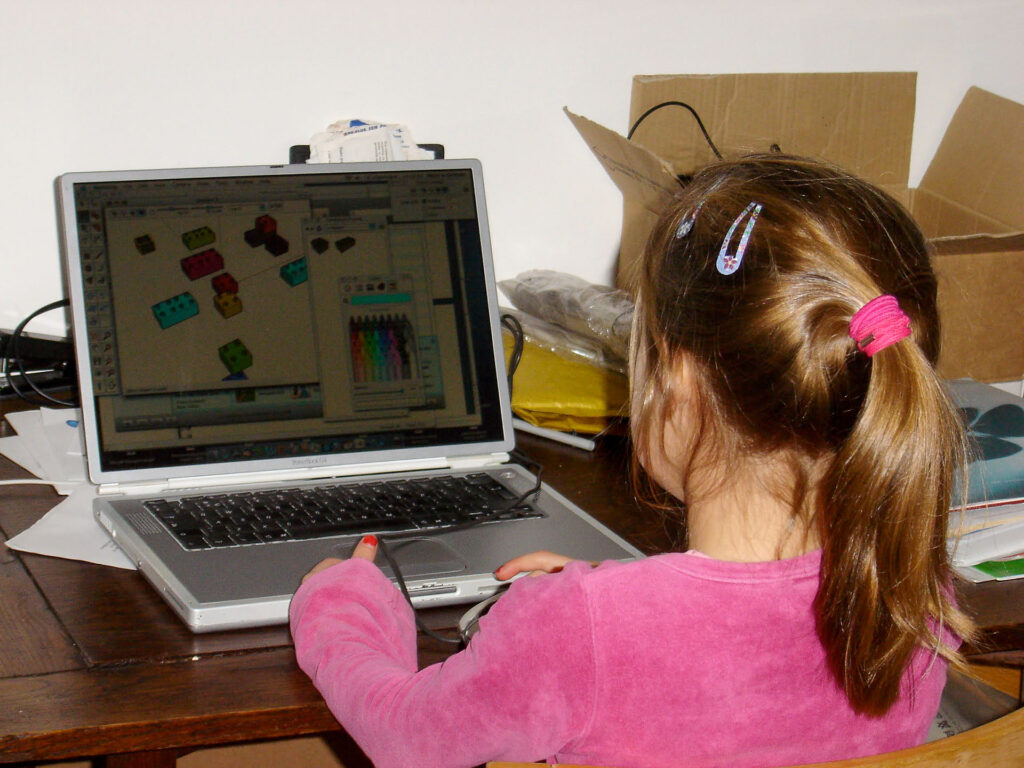
There was something peculiar about SketchUp. Send out a demo CD, and within a week, the customer would be calling with an order. I wasn’t used to that at all. I mentioned earlier how OS/2 Warp and WordPerfect had taught me how quickly a product can undermine itself by simply being bad. Well, SketchUp was the opposite: a product that was simply good. Affordable, approachable, and it did exactly what you expected it to. A genuine hit. Still is.
The promotion kept rolling. One morning, I got a call from a company called Webex. They had a remarkable new technology that let me share my screen with any other computer in the world, provided it had an internet connection. Perfect for software demos: no need to travel, no need to set up at a trade show. More on trade shows shortly. It worked surprisingly well over ISDN, even rotating a Phong-shaded 3D model ran smoothly. The catch: €4,000 for a single month. I passed. And now, twenty-five years on, it’s everywhere, and entirely free.
On the Road and on the Stand: Taking SketchUp to Market
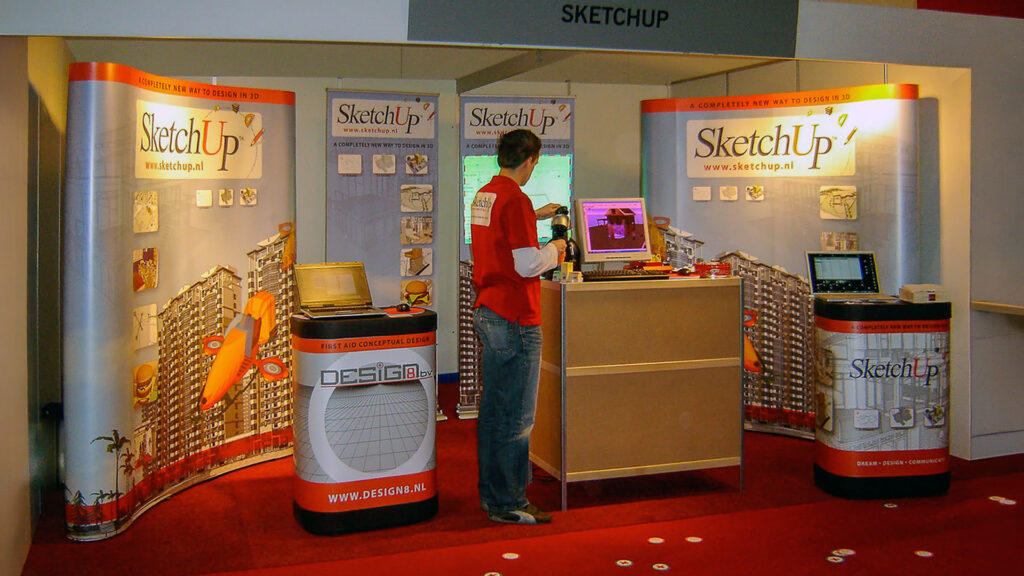
So at a customer’s request, I’d get in the car and drive all the way to Groningen to show one architect what SketchUp could do. Yes, even for a single licence. And we did trade shows. Did you know there was a trade show in the nineties dedicated entirely to CAD software? The CADCAM show, run by Mikrocentrum in Veldhoven, and if memory serves, in Antwerp too. All the major CAD vendors were there: SolidWorks, Pro/Engineer, Siemens, the lot.
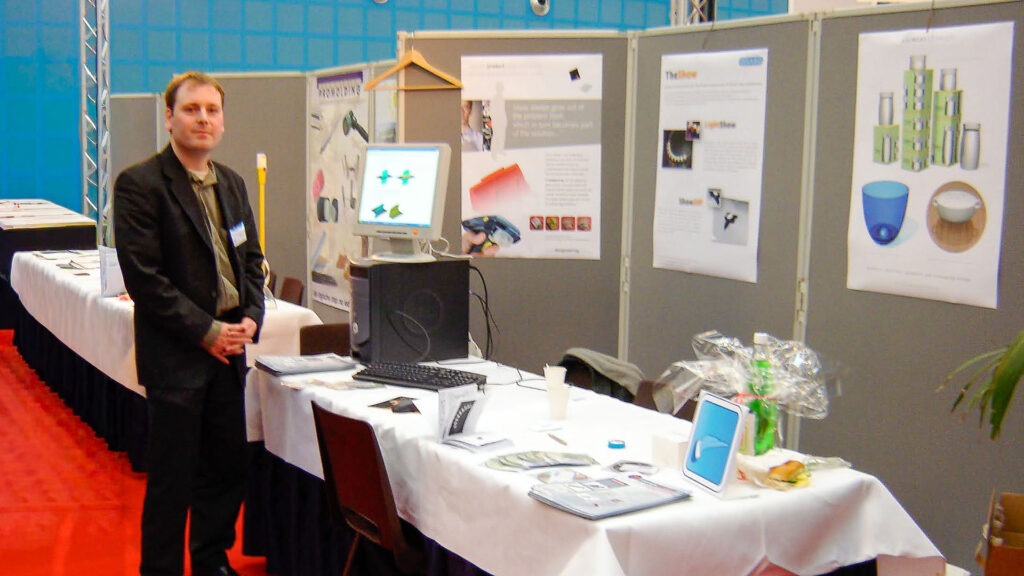
And guess who else was there? Apple. At a CAD trade show. Our 3D software ran well on Mac, you see. Admittedly, Apple pulled the plug on that fairly quickly; a decision came from on high that they were no longer to exhibit at shows where they weren’t dominant. And CAD was very much a Windows world. They were a long way from dominant.
How Apple Got Me My First Mac
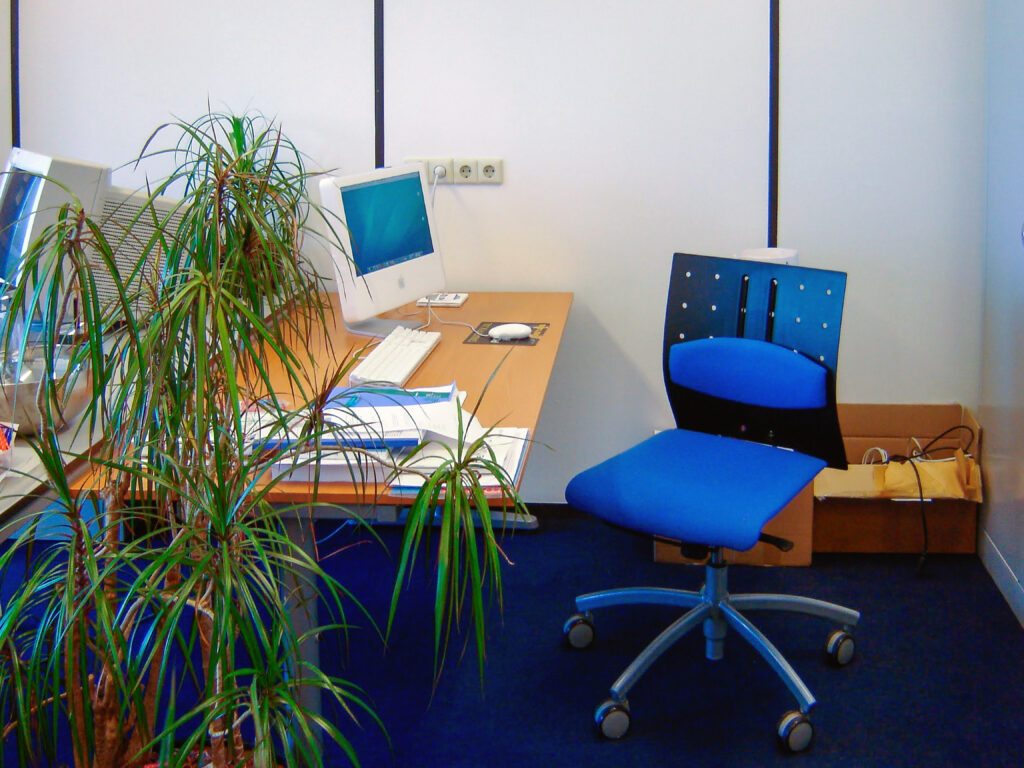
Back then, I ran Windows in the office. These days it’s all Mac. Let me tell you how that shift happened.
We used to organise live events: inviting customers in for a demo and a drink, much as we still do today. At one of those evenings in 2002, we raffled off the very first SketchUp licence.
Around that time, Apple had set its sights on architects. An event was organised in Brussels, in a building with genuine architectural appeal: the Comic Strip Museum.
Around that time, Apple had set its sights on architects. An event was organised in Brussels, in a building with genuine architectural appeal: the Comic Strip Museum. Apple brought together a range of software companies to demonstrate what was available on Mac. I was there with SketchUp, alongside the likes of Vectorworks, Piranesi, and Apple’s own iPhoto and iMovie; the latter being pitched as a way to build and present your portfolio to clients.
It was also the moment OS X launched. A completely new operating system after version 9; radically different, and, according to Apple, rock-solid and achingly cool. Unix-based, and crucially, it didn’t crash. Which was more than could be said for Windows at the time.
There’s a funny footnote to that event. I couldn’t find the museum that morning and had to ask for directions. Sat-navs and smartphones were hardly ubiquitous. I stopped, showed a passerby the invitation, and pointed to the building on the map: I need to get here. This was Brussels (French, Dutch, English). I figured a picture would be clearer than words. Blank stare. Shrug. Same with the second passer-by. Nobody recognised it. Eventually, I gave up and simply asked for the Comic Strip Museum. Oh, that they knew; I was almost there. It turned out Apple had put a completely random architecturally notable building on the invitation. How was I supposed to know?
Anyway. The condition for taking part in the Apple event was that you used a Mac running OS X. I didn’t have one, nor did several others. So Apple offered us a generous 20% discount to get ourselves sorted. OS 9 was no longer welcome. That discount was more than welcome, knocking a meaningful chunk off a laptop that carried a price tag of €5,500 excluding VAT. And that’s how my first Mac walked into the office. I used it for demos, screenshots, and tinkering. For everything else, I stuck to Windows. The Mac just sat there. Quick, though.
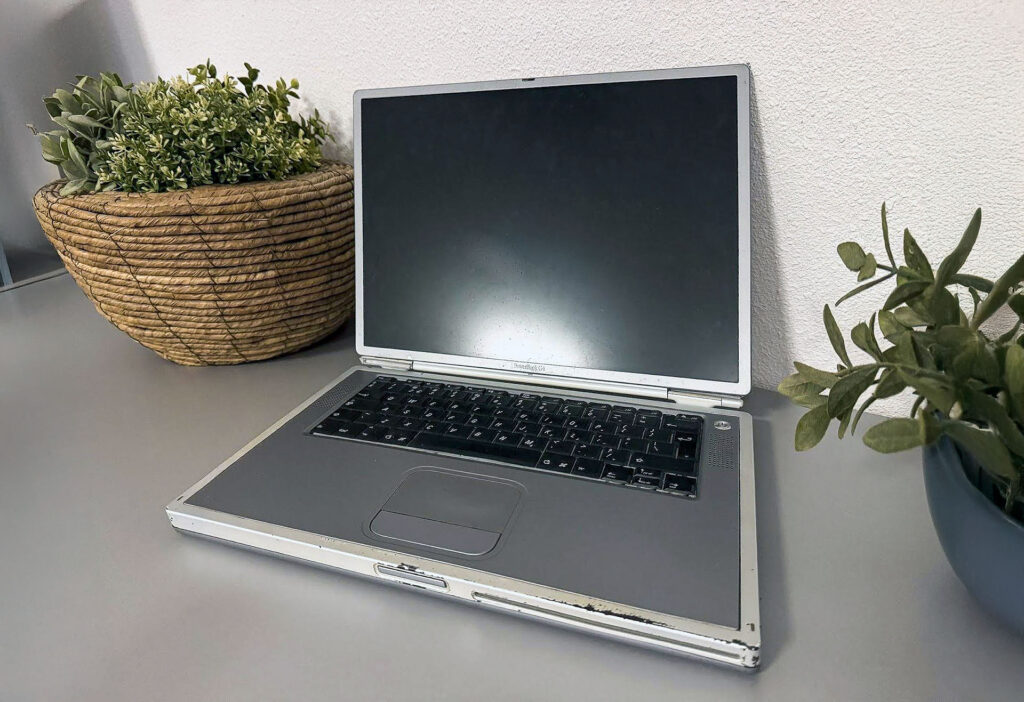
Until one day I realised that Mac was the fastest machine in the office, and I was frankly getting tired of the unreliability of Windows. I drew up a list of the software I relied on and found that only my banking application had neither a Mac version nor an online alternative. I held on to the PC for that alone, but from that point on, I was a Mac user.
After that 15-inch PowerBook G4, many more MacBooks followed. First 17-inch, then, when those were discontinued, back to 15-inch, and later, thankfully, 16-inch again. In the early years, Mac performance doubled annually, which was enormously welcome when you were running heavy 3D CAD software. I was buying a new one every year as a result. These days, that’s no longer necessary. The biggest gains later came from fitting an SSD and, above all, loading up on relatively affordable RAM.
Patience as a Foundation for Growth
A laptop made it easy to get to clients and events wherever they happened to be. Getting software to market still took real legwork. My focus has always been on the long game, which is just as well. Had I done the arithmetic at the time, I probably wouldn’t have got in the car. But that would have slowed everything down. Growing a business, growing a product in a market, it simply takes patience and persistence. If you want to get rich quickly, buy a lottery ticket. Running a business is more like planting a seed. You water it. You water it a lot. And you wait. You wait a very long time.
Since I was working alone, I could do with a pair of extra hands. I made good use of interns, ideally from a commercial higher education programme; practical, commercially minded, and ready to get stuck in. And since SketchUp lent itself naturally to a reseller model, I had them help build out the reseller network. As far as Norway, as it turned out. Sales kept climbing until one morning in 2005, I woke up and realised that, with SketchUp, I could go it alone. So I did. I took on the customers and set up my own private limited company. Making that move without losing the distribution rights was nerve-wracking. You’ll read how it played out in my next blog, covering the first five years of Design8.

About the Author
Orlando Sardaro (1972) studied Industrial Design at TU Delft and founded Design8 in 2005. From Design8, he sells and supports design software, primarily through resellers. Orlando never loses sight of the end user and keeps a close eye on developments in the 3D market. In his spare time, he enjoys 3D modelling, Nutella, pizza, coffee, red wine, bread, chocolate, Italy, golf, Porsche, Apple, and sunshine.